Join us in Costa Rica - Where the Land Still Leads
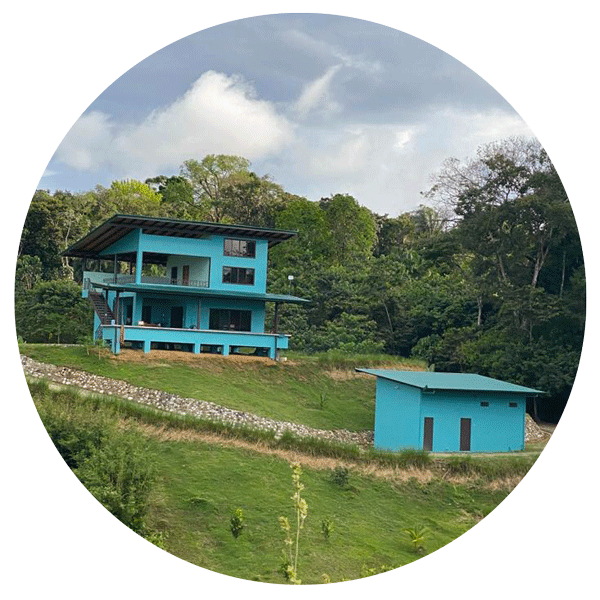
Perched above the Golfo Dulce on the wild Burica Peninsula, Wild Morpho Retreats backdrop is in one of Costa Rica’s last truly remote places—shaped by isolation, protected by nature, and untouched by mass tourism.
Join us in Costa Rica - Where the Land Still Leads
Perched above the Golfo Dulce on the wild Burica Peninsula, Wild Morpho Retreats backdrop is in one of Costa Rica’s last truly remote places—shaped by isolation, protected by nature, and untouched by mass tourism.
A Remote Retreat on the Burica Peninsula
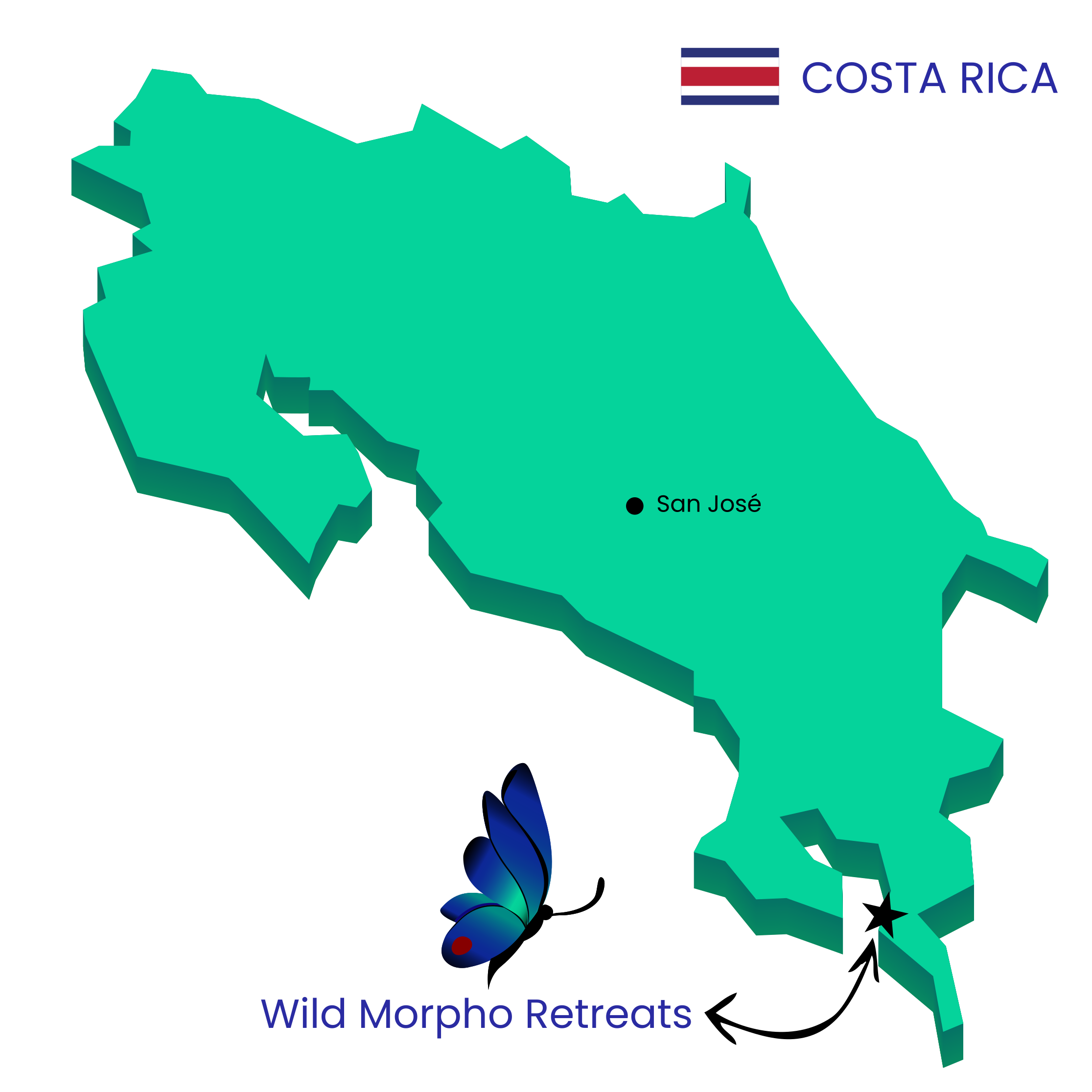
Wild Morphos Retreats is located in the town of Cuervito, approximately one hour south of Golfito on the Burica Peninsula, a rugged landmass that juts nearly 30 miles into the Pacific Ocean and is shared by Costa Rica and Panama.
The guest house overlooks the Golfo Dulce and is a short drive from Pavones, Costa Rica. One of the most isolated regions in the country, the Burica Peninsula’s remoteness prevented large-scale clear-cutting, cattle ranching, and plantation development. As a result, the area remains raw and pristine, with intact ecosystems and a small local population. Because it lies so far south, most tourists never make it to Burica, preserving its sense of seclusion and wild character.
Towns We Visit
Pavones, Costa Rica
Where Nature Sets the Pace
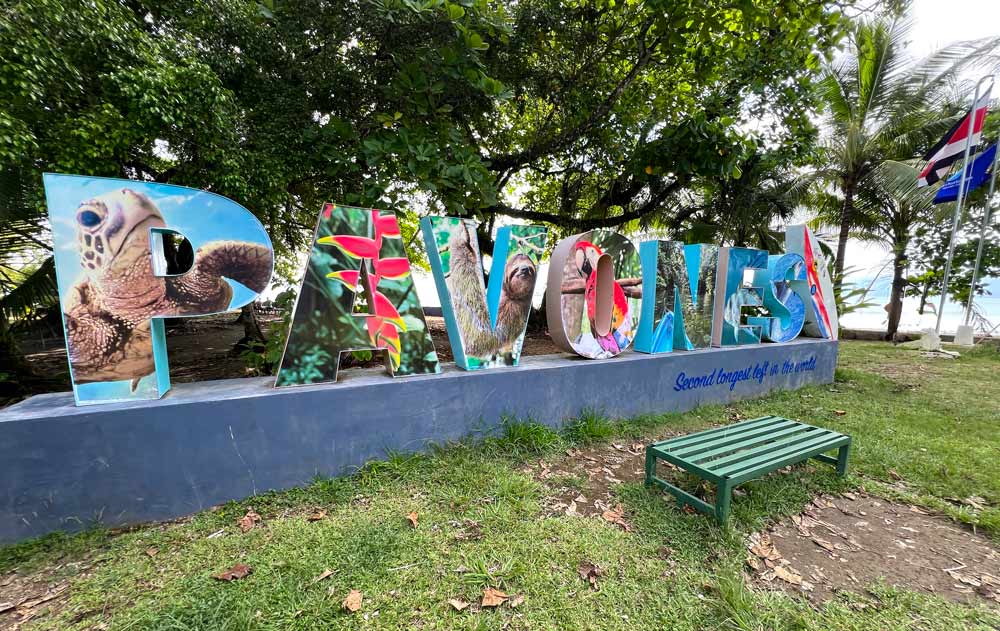
Hidden along Costa Rica’s remote southern Pacific coast, Pavones is a destination defined by water, rainforest, and time. Known for one of the longest left-hand waves in the world, this small coastal village offers more than surf—it offers immersion in a living ecosystem where nature remains in control.
For generations, Pavones was a modest fishing community on the edge of the Golfo Dulce, accessible only by boat or rugged roads. Life unfolded in harmony with the tides and jungle, a rhythm that continues to shape the village today. In the 1970s, visiting surfers discovered Pavones’ unique wave, drawing quiet attention to a place that still resisted rapid change.
Gradual development in the late 20th century improved access and basic infrastructure, allowing visitors to arrive while preserving the area’s low-impact character. Rather than large resorts, Pavones evolved through small-scale, locally run lodges, homes, and eateries—many designed to coexist with the surrounding environment.
Today, Pavones is a haven for eco-travelers seeking simplicity and authenticity. Scarlet macaws fly overhead, howler monkeys call from the canopy, and empty beaches stretch beside protected rainforest. The community places growing emphasis on conservation, responsible tourism, and respect for both land and sea.
In Pavones, sustainability is not a trend but a way of life. It is a place to slow down, reconnect with nature, and experience Costa Rica as it once was—and still strives to be.
Golfito, Costa Rica
Harbor Town Between Rainforest and Sea
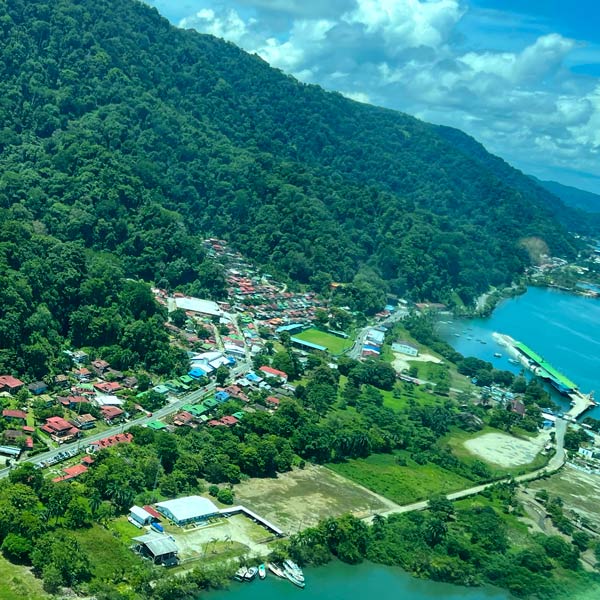
Set along the protected waters of the Golfo Dulce, Golfito is home to one of the deepest natural harbors in Central America. Often described as fjord-like in structure, the gulf’s unusual depth allows large vessels to anchor close to shore. Once a major banana export hub during the United Fruit Company era, Golfito today functions as both a marina town and a working port. The region supports commercial fishing, expedition cruise vessels, and agricultural exports — including palm oil, which has become a significant industry in southern Costa Rica. Surrounded by rainforest-covered mountains and calm waters, Golfito blends history, commerce, and natural beauty in a uniquely coastal setting.
Punta Banco, Costa Rica
Where Jungle, Ocean, and Ancestral Roots Meet
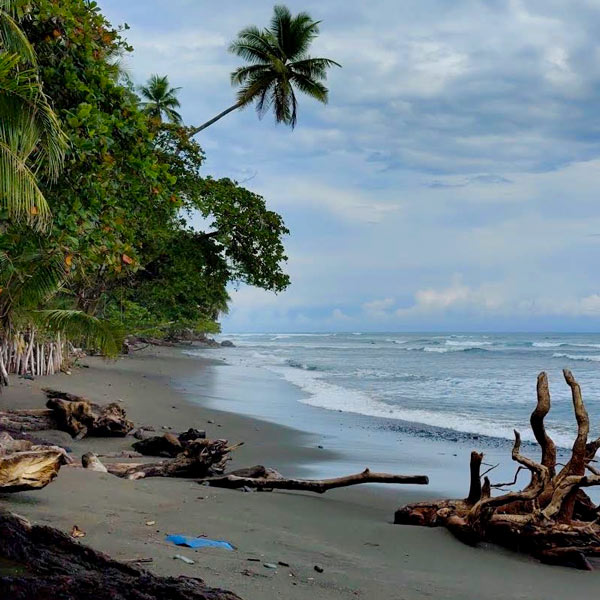
Just south of Pavones near the Panama border, Punta Banco is a quiet coastal community where rainforest meets a wide, undeveloped shoreline. This region has long been home to the Ngäbe (Guaymí) people, whose ancestral lands extend across southern Costa Rica and into Panama. The nearby Ngäbe Indigenous Territory remains an officially recognized reservation, where cultural traditions, language, agriculture, and craftsmanship continue today. Punta Banco itself is small and community-oriented, known for its peaceful beaches, tide pools, and rich biodiversity along Costa Rica’s southern Pacific coast.
But Punta Banco is more than scenery.
It sits within a region that has been home to Indigenous communities for centuries.
Towns We Visit
Pavones, Costa Rica
Where Nature Sets the Pace
Hidden along Costa Rica’s remote southern Pacific coast, Pavones is a destination defined by water, rainforest, and time. Known for one of the longest left-hand waves in the world, this small coastal village offers more than surf—it offers immersion in a living ecosystem where nature remains in control.
For generations, Pavones was a modest fishing community on the edge of the Golfo Dulce, accessible only by boat or rugged roads. Life unfolded in harmony with the tides and jungle, a rhythm that continues to shape the village today. In the 1970s, visiting surfers discovered Pavones’ unique wave, drawing quiet attention to a place that still resisted rapid change.
Gradual development in the late 20th century improved access and basic infrastructure, allowing visitors to arrive while preserving the area’s low-impact character. Rather than large resorts, Pavones evolved through small-scale, locally run lodges, homes, and eateries—many designed to coexist with the surrounding environment.
Today, Pavones is a haven for eco-travelers seeking simplicity and authenticity. Scarlet macaws fly overhead, howler monkeys call from the canopy, and empty beaches stretch beside protected rainforest. The community places growing emphasis on conservation, responsible tourism, and respect for both land and sea.
In Pavones, sustainability is not a trend but a way of life. It is a place to slow down, reconnect with nature, and experience Costa Rica as it once was—and still strives to be.
Golfito,
Costa Rica
Harbor Town Between
Rainforest and Sea
Set along the protected waters of the Golfo Dulce, Golfito is home to one of the deepest natural harbors in Central America. Often described as fjord-like in structure, the gulf’s unusual depth allows large vessels to anchor close to shore. Once a major banana export hub during the United Fruit Company era, Golfito today functions as both a marina town and a working port. The region supports commercial fishing, expedition cruise vessels, and agricultural exports — including palm oil, which has become a significant industry in southern Costa Rica. Surrounded by rainforest-covered mountains and calm waters, Golfito blends history, commerce, and natural beauty in a uniquely coastal setting.
Punta Banco,
Costa Rica
Where Jungle, Ocean, and Ancestral Roots Meet
Just south of Pavones near the Panama border, Punta Banco is a quiet coastal community where rainforest meets a wide, undeveloped shoreline. This region has long been home to the Ngäbe (Guaymí) people, whose ancestral lands extend across southern Costa Rica and into Panama. The nearby Ngäbe Indigenous Territory remains an officially recognized reservation, where cultural traditions, language, agriculture, and craftsmanship continue today. Punta Banco itself is small and community-oriented, known for its peaceful beaches, tide pools, and rich biodiversity along Costa Rica’s southern Pacific coast.
But Punta Banco is more than scenery.
It sits within a region that has been home to Indigenous communities for centuries.
Nature We Explore

PIEDRAS BLANCAS NATIONAL PARK
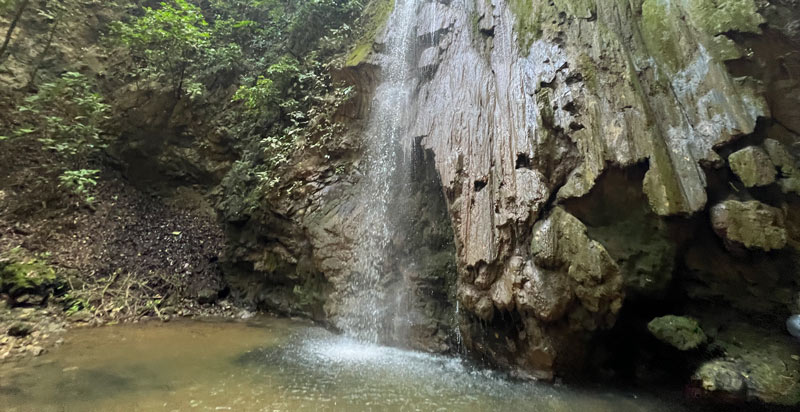
Discover the vibrant biodiversity, with lush forests, waterfalls, and a symphony of marine and wildlife that brings the area to life. With each stroke, you reveal new wonders and secrets of the coastline, making every moment feel precious. We will have the opportunity to see dolphins, turtles, whales, and other exciting ocean life, including needlefish, which spawn on every full moon in these waters.
SECRET RIVER HIKE
PIEDRAS BLANCAS NATIONAL PARK
Discover the vibrant biodiversity, with lush forests, waterfalls, and a symphony of marine and wildlife that brings the area to life. With each stroke, you reveal new wonders and secrets of the coastline, making every moment feel precious. We will have the opportunity to see dolphins, turtles, whales, and other exciting ocean life, including needlefish, which spawn on every full moon in these waters.
SECRET RIVER HIKE
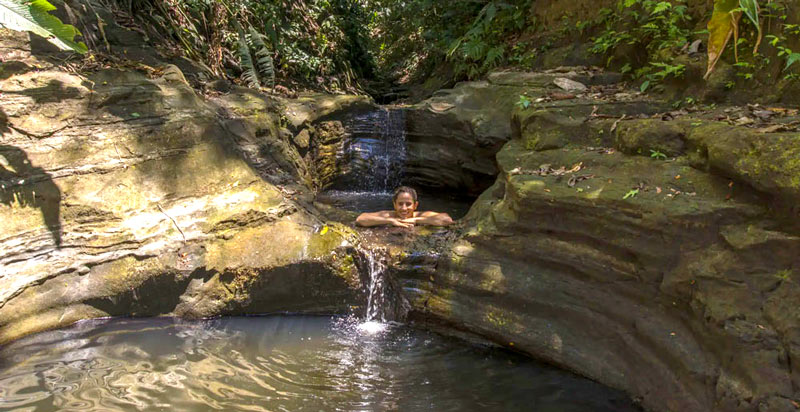
TISKITA LODGE GUIDED PRIVATE NATURE RESERVE
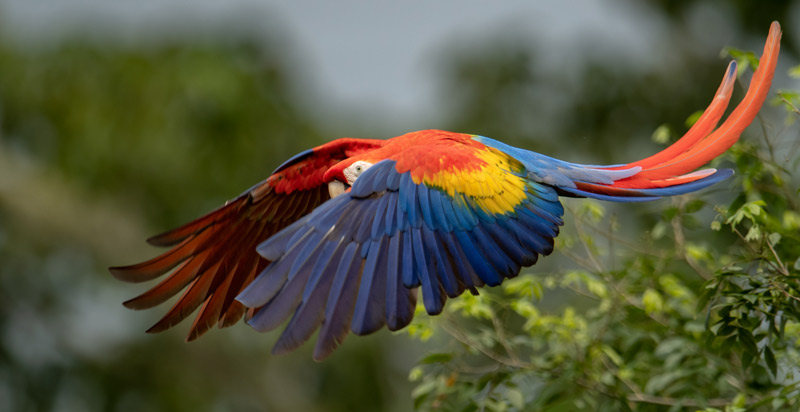
WILD OSA PENNISULA
TISKITA LODGE GUIDED PRIVATE NATURE RESERVE
WILD OSA PENNISULA
People We See
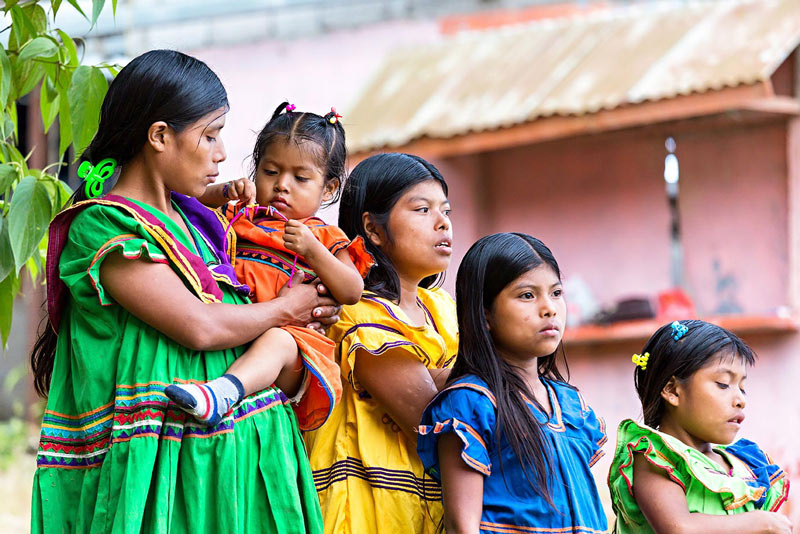
The Guaymi
Guardians of the Cloud Forests
The Guaymí, also known as the Ngäbe or Ngäbe-Buglé, are an Indigenous people originally from western Panama who began migrating to southern Costa Rica in the 1960s. Today, many live in protected Indigenous territories along Costa Rica’s South Pacific coast near the Panamanian border. Their culture is deeply connected to the land, with livelihoods based on small-scale farming and seasonal migration for coffee harvesting. Guaymí traditions are visible in their language, agriculture, and distinctive crafts, including colorful naguas, beaded jewelry, and woven chácaras, reflecting strong cultural resilience despite modern challenges.
People We See
The Guaymi
Guardians of the Cloud Forests
The Guaymí, also known as the Ngäbe or Ngäbe-Buglé, are an Indigenous people originally from western Panama who began migrating to southern Costa Rica in the 1960s. Today, many live in protected Indigenous territories along Costa Rica’s South Pacific coast near the Panamanian border. Their culture is deeply connected to the land, with livelihoods based on small-scale farming and seasonal migration for coffee harvesting. Guaymí traditions are visible in their language, agriculture, and distinctive crafts, including colorful naguas, beaded jewelry, and woven chácaras, reflecting strong cultural resilience despite modern challenges.
Wildlife You May Encounter
The waterways and rainforest surrounding Golfo Dulce and the Osa Peninsula are among the most biodiverse places on Earth. Wildlife sightings are common and often wonderfully close.
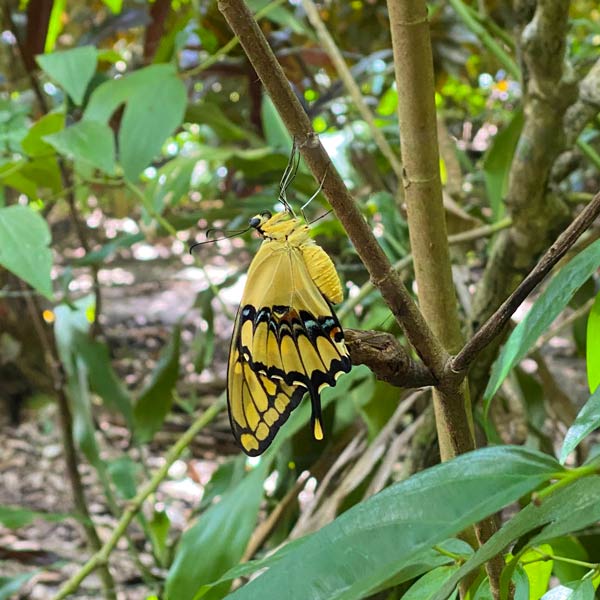
Birds of
Paradise
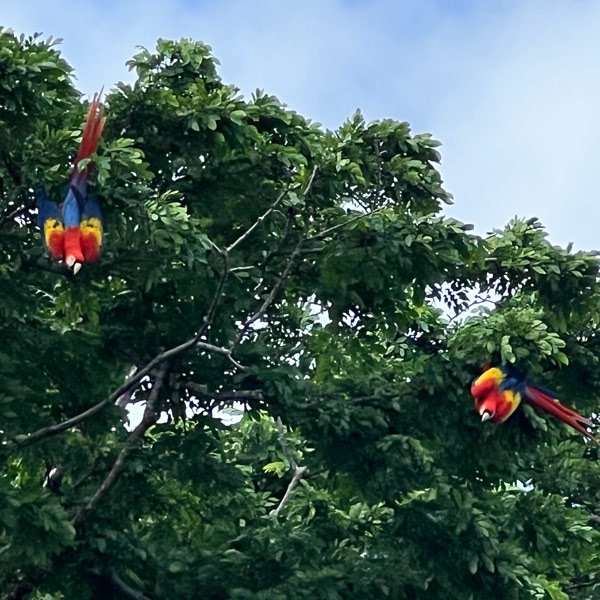
- Scarlet macaws flying overhead or feeding in almond trees
- Toucans and aracaris perched in the canopy
- Parrots and parakeets in lively flocks
- Ospreys and other seabirds scanning the water
- Herons and egrets wading in the shallows
- Kingfishers darting over the surface
- Pelicans gliding low across the gulf
Rainforest & Shoreline Animals
- Three-toed sloths resting in the trees
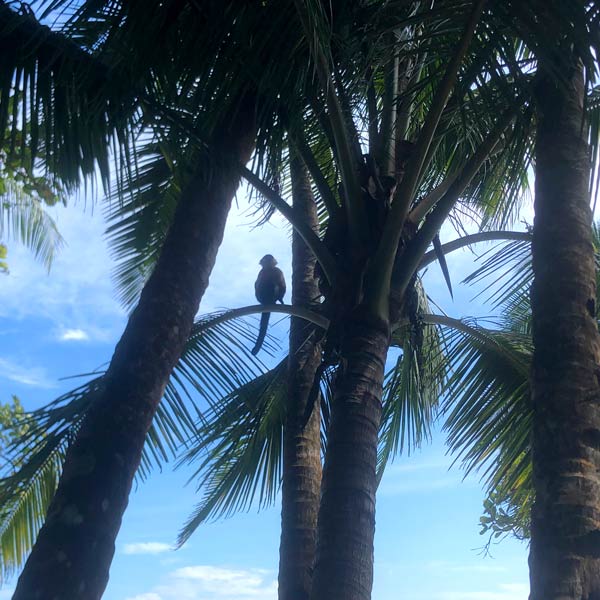
- White-faced capuchin monkeys moving through the canopy
- Howler monkeys calling from the forest
- Occasional spider monkeys in the deeper Osa forests
- Coatis and raccoon-like mammals near the shoreline
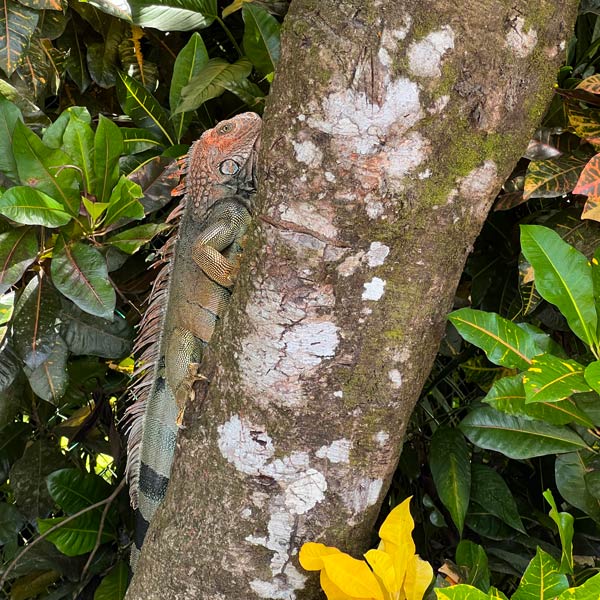
- Iguanas sunning on branches or rocks
- Basilisk lizards (“Jesus Christ lizards”) running across water
Marine &
Coastal Life
- Sea turtles surfacing in the gulf
- Dolphins traveling through Golfo Dulce
- Bottlenose dolphins
- Pantropical spotted dolphins
- Occasionally rough-toothed dolphins
- Rays gliding beneath clear water
- Tropical fish visible in calm shallows
Birds of
Paradise
- Scarlet macaws flying overhead or feeding in almond trees
- Toucans and aracaris perched in the canopy
- Parrots and parakeets in lively flocks
- Ospreys and other seabirds scanning the water
- Herons and egrets wading in the shallows
- Kingfishers darting over the surface
- Pelicans gliding low across the gulf
Rainforest & Shoreline Animals
- Three-toed sloths resting in the trees
- White-faced capuchin monkeys moving through the canopy
- Howler monkeys calling from the forest
- Occasional spider monkeys in the deeper Osa forests
- Coatis and raccoon-like mammals near the shoreline
- Iguanas sunning on branches or rocks
- Basilisk lizards (“Jesus Christ lizards”) running across water
Marine &
Coastal Life
- Sea turtles surfacing in the gulf
- Dolphins traveling through Golfo Dulce
- Bottlenose dolphins
- Pantropical spotted dolphins
- Occasionally rough-toothed dolphins
- Rays gliding beneath clear water
- Tropical fish visible in calm shallows
Seasonal Whale Presence in Golfo Dulce
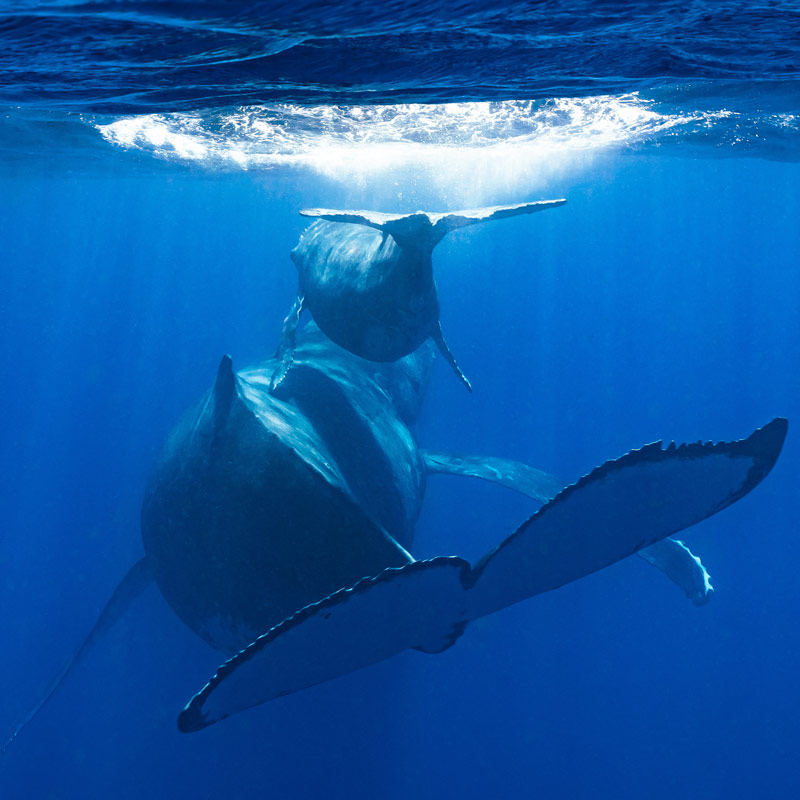
The Golfo Dulce is one of the very rare tropical fjords in the world that serves as a breeding and nursery area for humpback whales, mainly because its warm, calm waters are ideal for calves and mothers.
There are two distinct migration seasons here:
December - March: Northern hemisphere humpback whales migrate down and use the gulf to calf and nurse.
July - October: Southern hemisphere humpback whales stop in the gulf during their migration.
This creates a kind of dual whale season that covers much of the year. Sightings are possible from the water or shoreline during peak months.
(Wildlife varies by season and conditions, but sightings are frequent in this protected ecosystem.)
Seasonal Whale Presence in Golfo Dulce
The Golfo Dulce is one of the very rare tropical fjords in the world that serves as a breeding and nursery area for humpback whales, mainly because its warm, calm waters are ideal for calves and mothers.
There are two distinct migration seasons here:
December - March: Northern hemisphere humpback whales migrate down and use the gulf to calf and nurse.
July - October: Southern hemisphere humpback whales stop in the gulf during their migration.
This creates a kind of dual whale season that covers much of the year. Sightings are possible from the water or shoreline during peak months.
(Wildlife varies by season and conditions, but sightings are frequent in this protected ecosystem.)
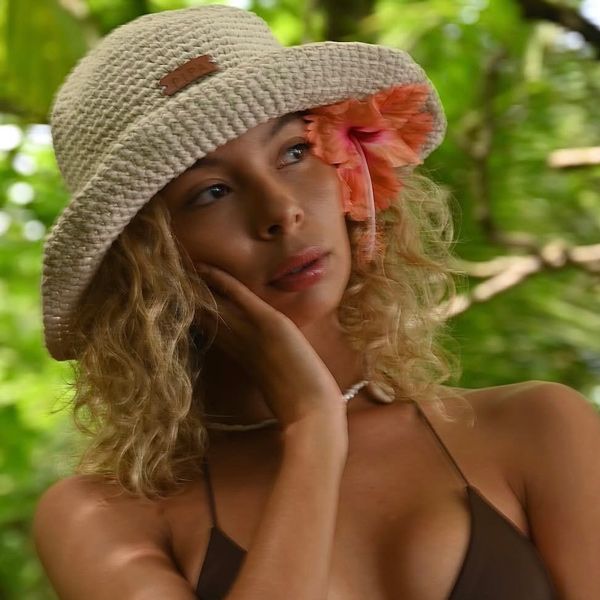
Kind Words from Our Community
"Wild Morpho Retreats is a unique and inspiring experience. I feel deeply grateful for giving myself the chance to be held and supported in a safe, nurturing space where I could reconnect with myself.
Thank you, Yvonne-for receiving me with such trust and openness — I am sincerely grateful."
~Kendra Love
Kind Words from Our Community
"Wild Morpho Retreats is a unique and inspiring experience. I feel deeply grateful for giving myself the chance to be held and supported in a safe, nurturing space where I could reconnect with myself.
Thank you, Yvonne-for receiving me with such trust and openness — I am sincerely grateful."
~Kendra Love